Our Products
At Spiegel, we provide the best products that you can think of.
Find Our Perfect Products
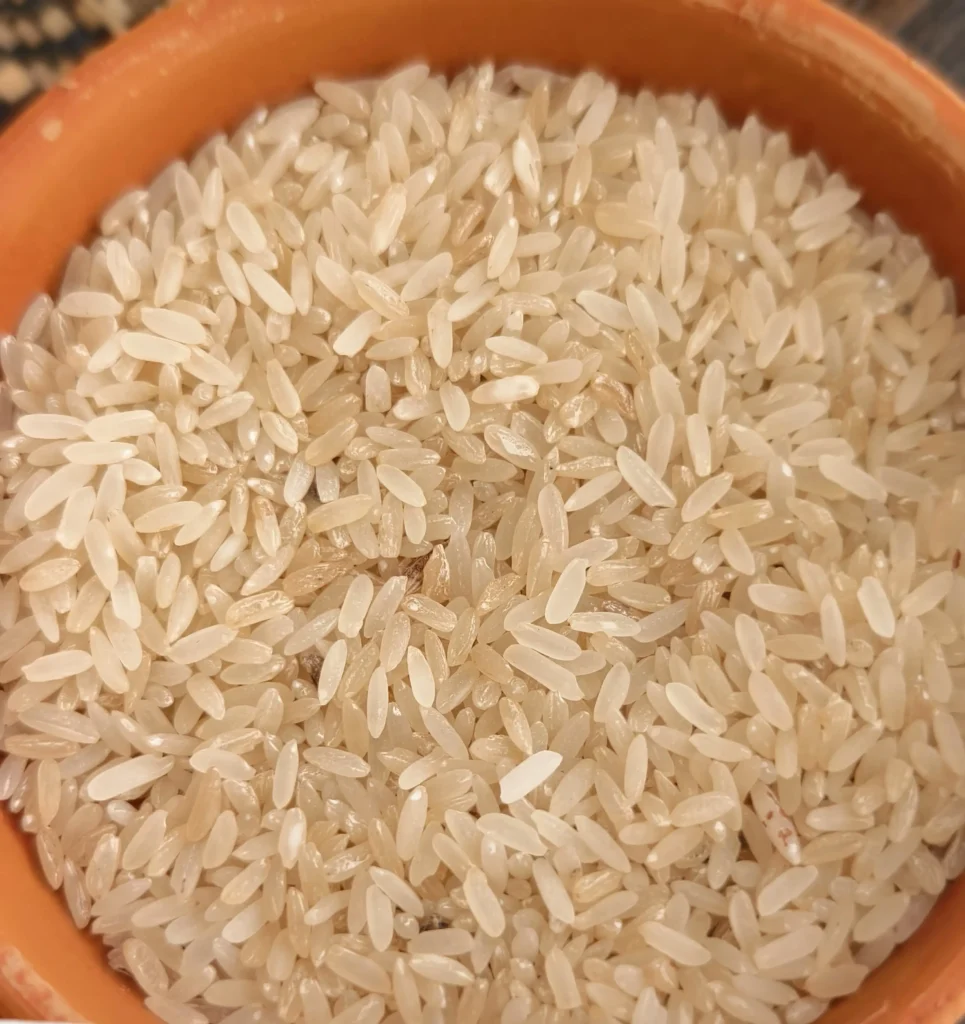
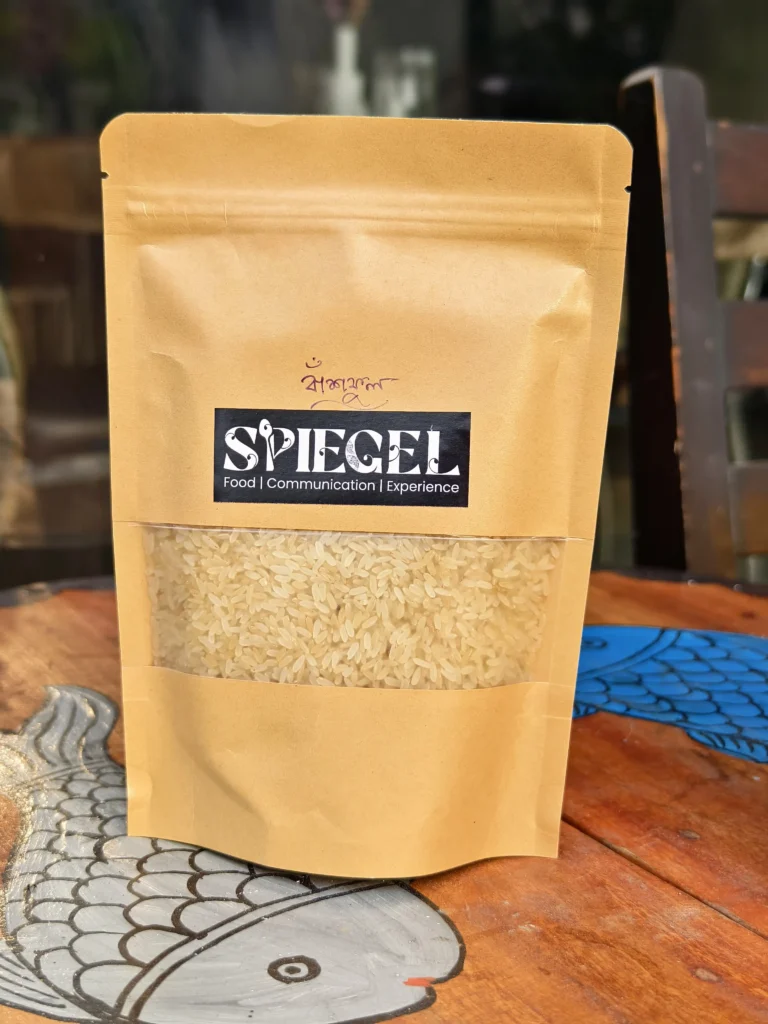
Banshful (বাঁশফুল) – (Parboiled) Siddho
Primarily cultivated in Khulna, Bangladesh, and currently in several areas of the Malda district in West Bengal. This medium-long and lightly aromatic rice is rich in nutrients and ideal for making plain rice, payesh (rice pudding), and khichdi.
Lilabati (লীলাবতী) – Atap
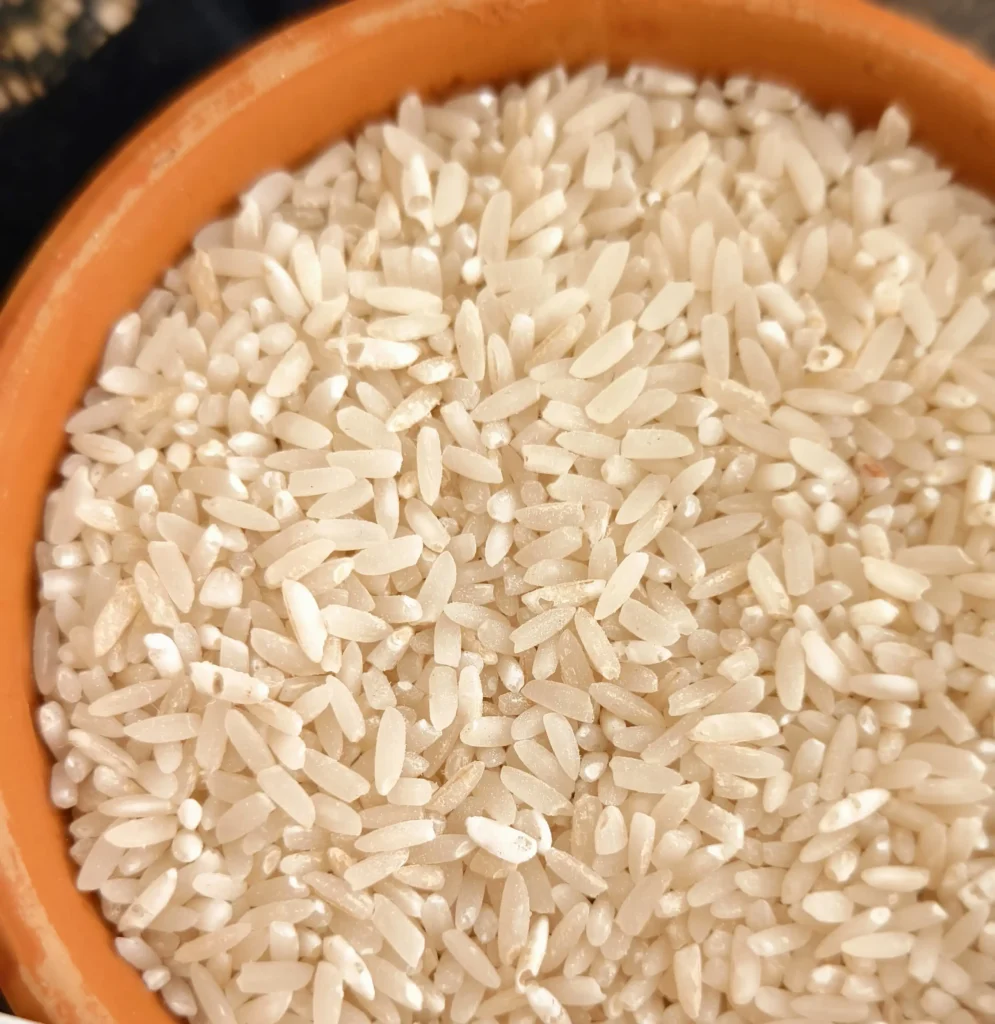
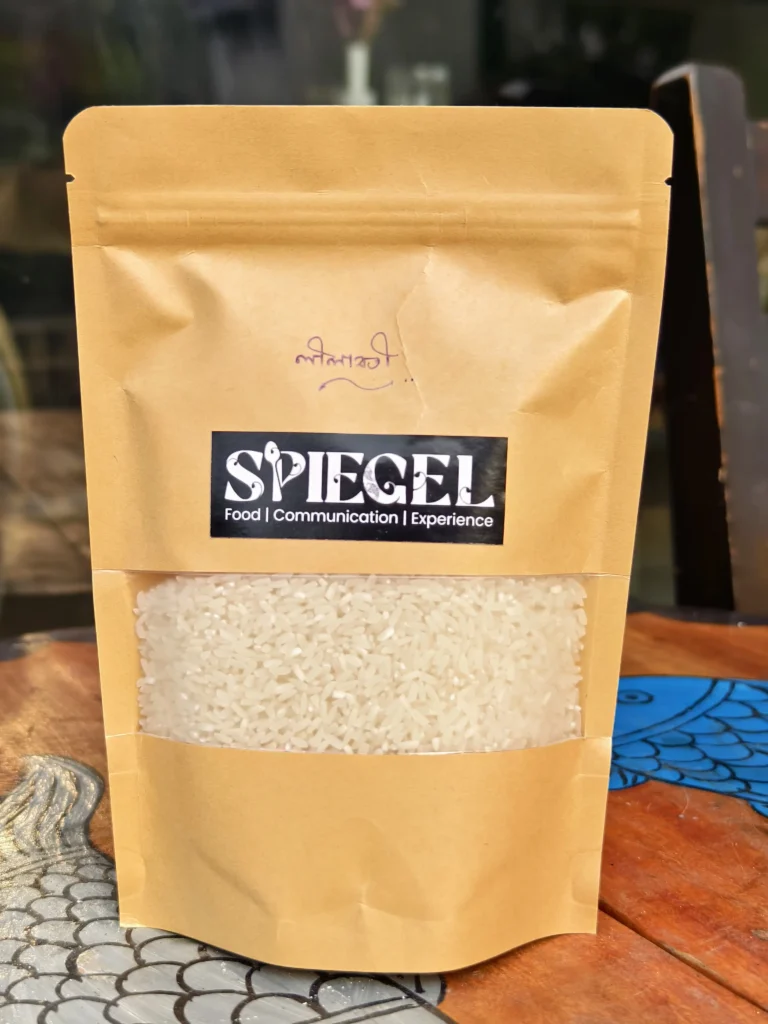
Cultivated in the Chhotomollakhali area near Gosaba (Sundarbans). This non-aromatic rice is perfect for khichdi. Grown using traditional methods, it is highly rich in nutritional value.
Karpurkanti (কর্পূরকান্তি) – Atap
Mainly grown in the Sundarbans. It is an aromatic, short-grain rice, suitable for khichdi, payesh, pulao, and soft-boiled rice (galabhat).
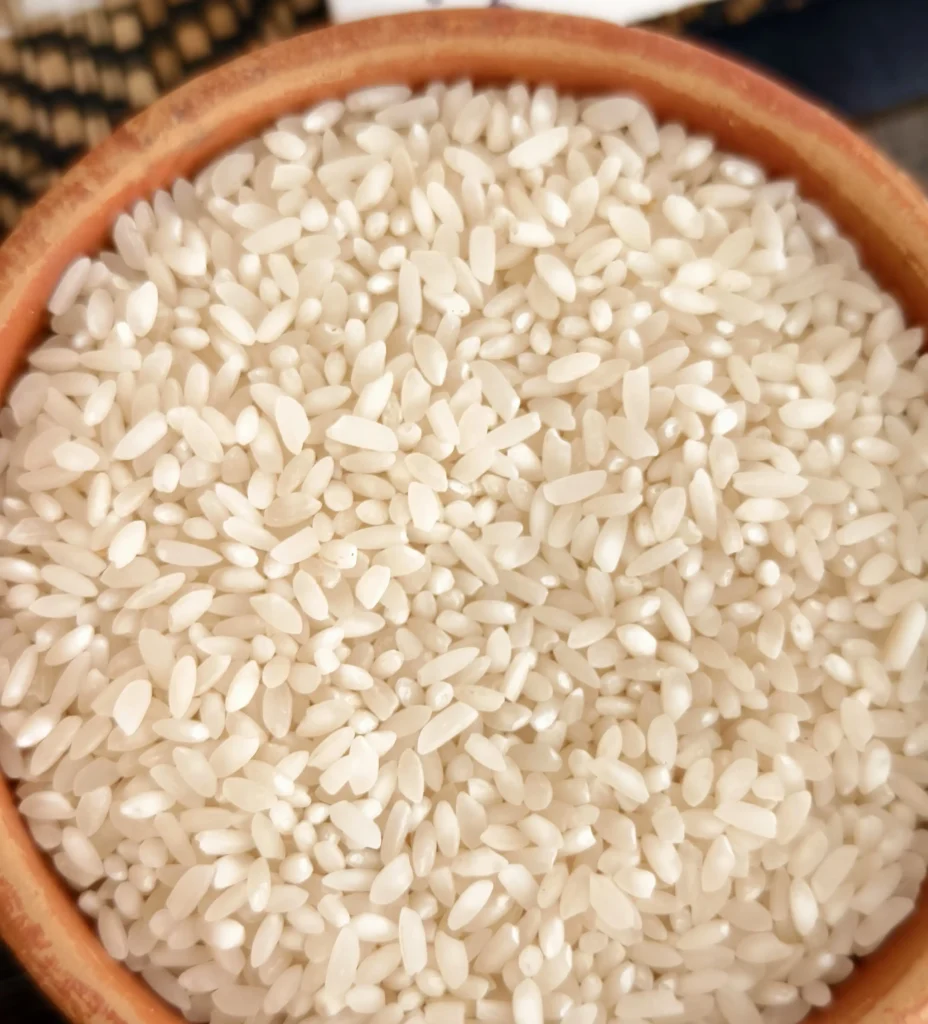
Radhatilok – Atap
A rare, aromatic short-grain rice primarily cultivated in the Sundarbans using the Bhairab method. This highly nutritious rice is perfectly suited for preparing payesh, khichdi, and pulao.
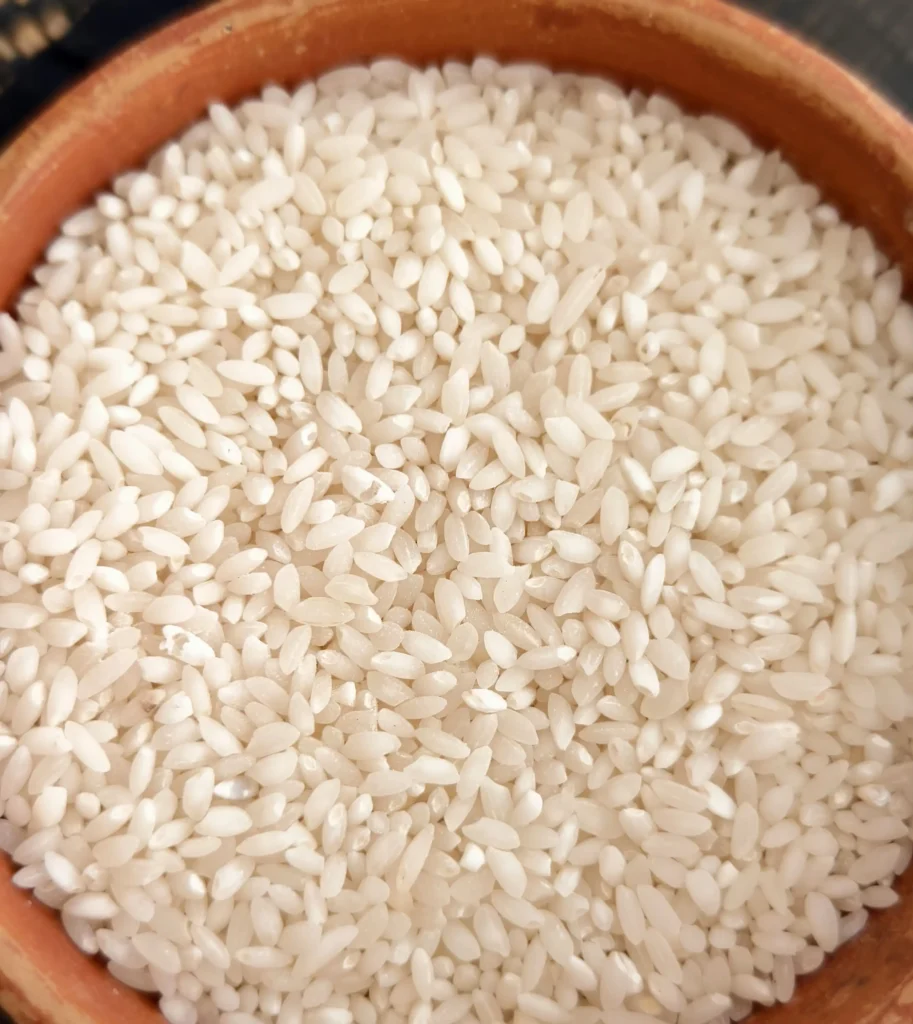
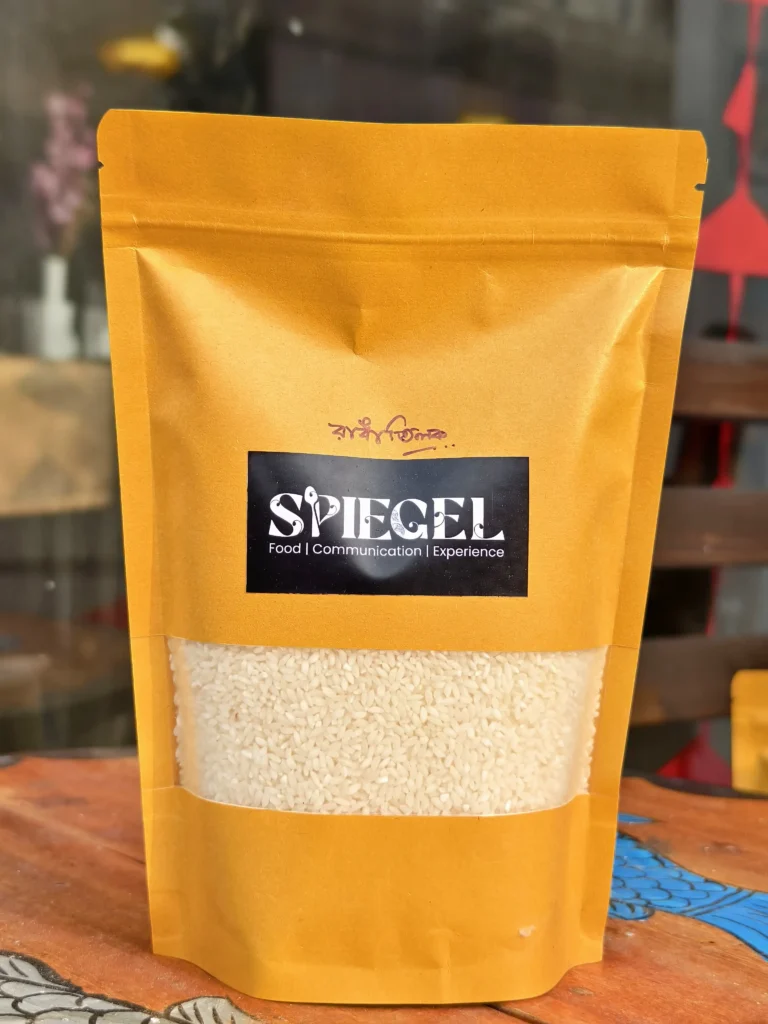
Radhunipagal (রাঁধুনিপাগল) – Atap
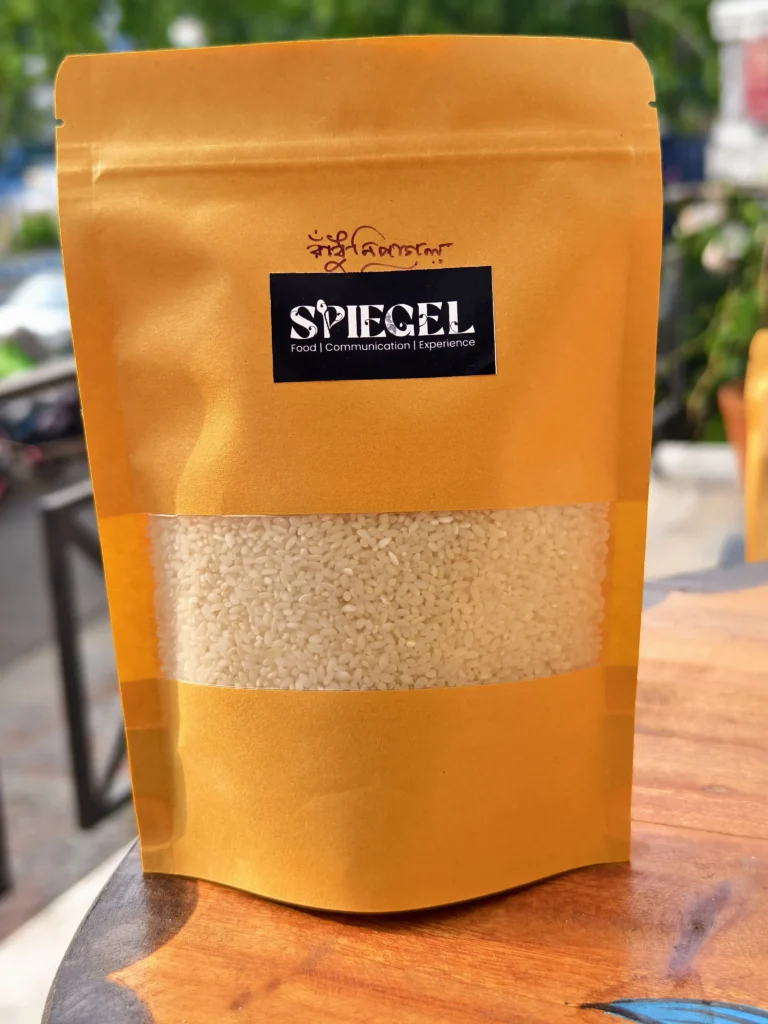
An extremely aromatic small-grain rice mainly grown in Birbhum, Dinajpur, Burdwan, and Bankura. It received a GI Tag in 2023. Besides daily meals, it makes extraordinary khichdi, phyanabhat and payesh. It is a primary ingredient for the Nabanna (harvest) festival.
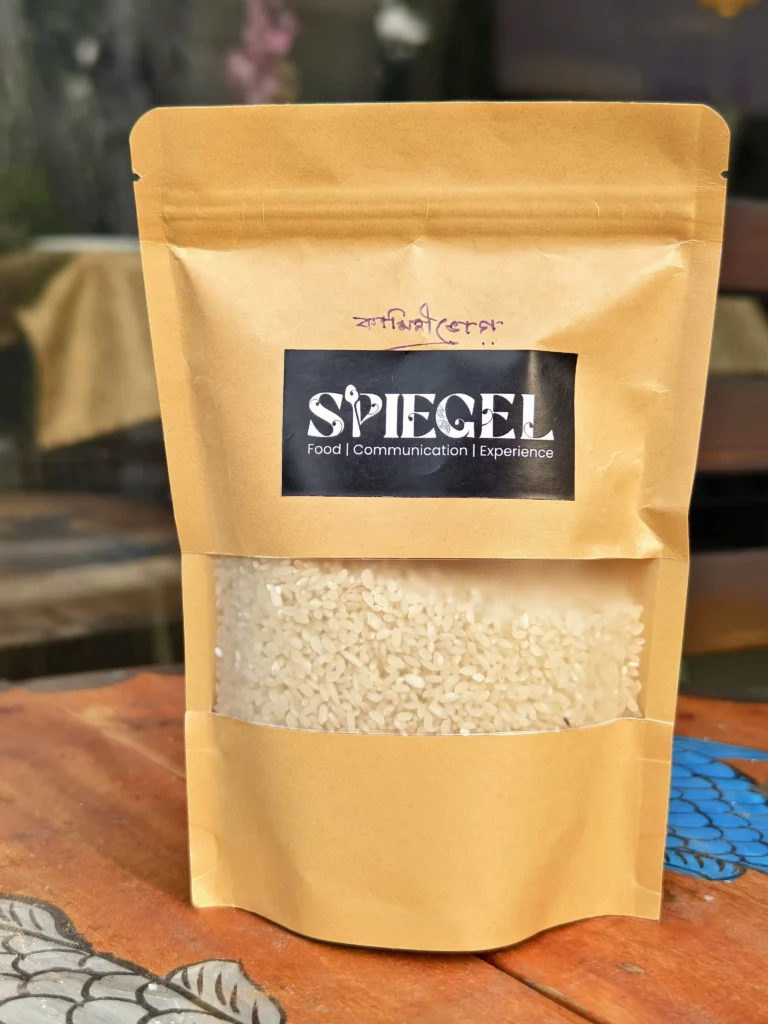
Kamini Bhog (কামিনী ভোগ) -Atap
A short-grain aromatic rice cultivated by farmers in the Pakhiralay region of the Sundarbans. This rice is ideal for khichdi, pulao, and phanabhat.
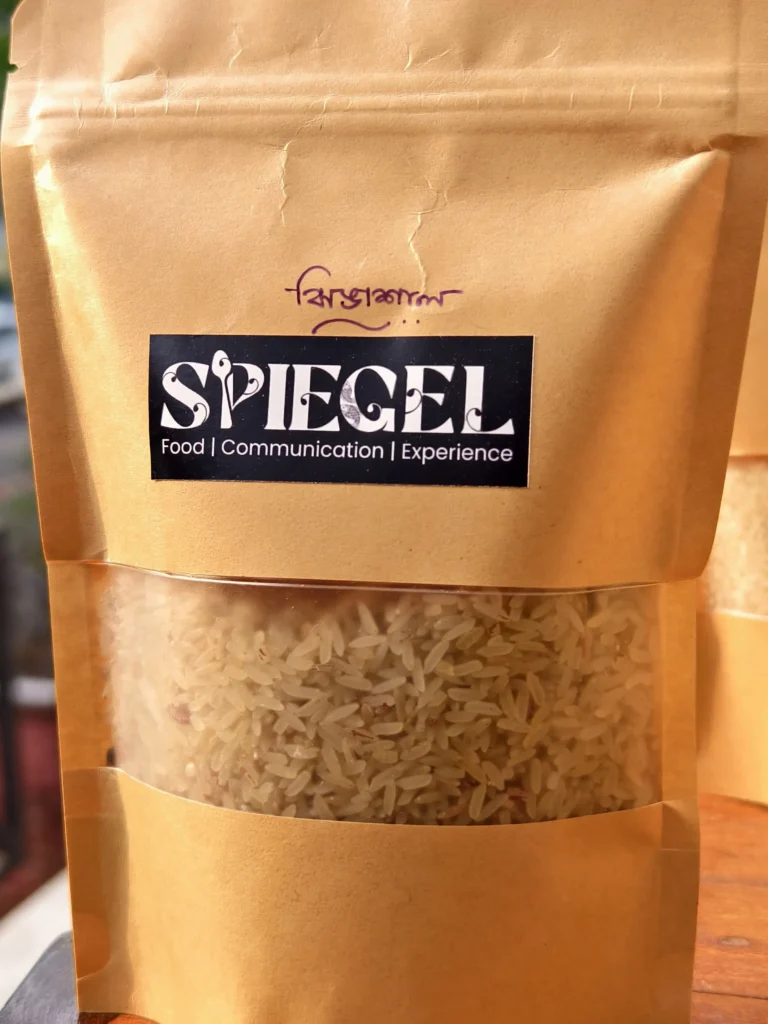
Jhingashal (ঝিঙাশাল) – (Parboiled) – Siddho
Primarily grown organically in the Sundarbans. This medium-grain rice is great for daily use and for panta bhat (fermented rice). It is excellent for making popped rice (khoi) and puffed rice (muri). There is also a tradition of making pitha (rice cakes) from Jhingashal in various villages.
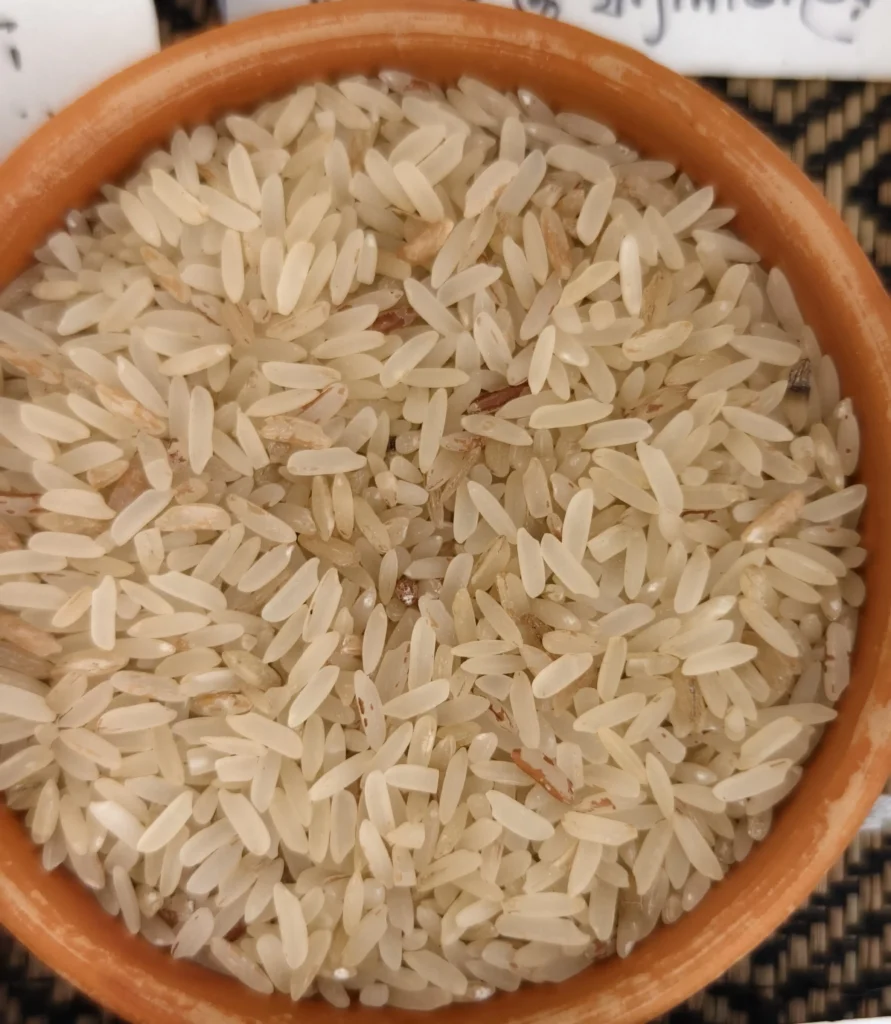
Kabirajsal (কবিরাজশাল)- (Parboiled) – Siddho
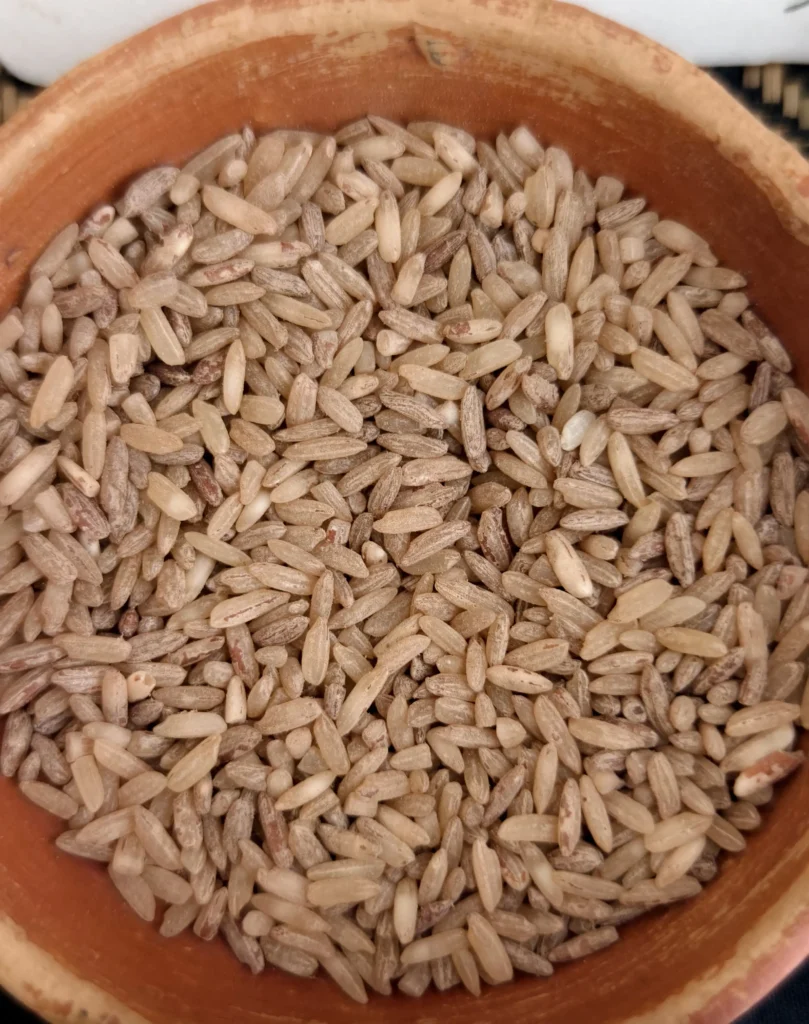
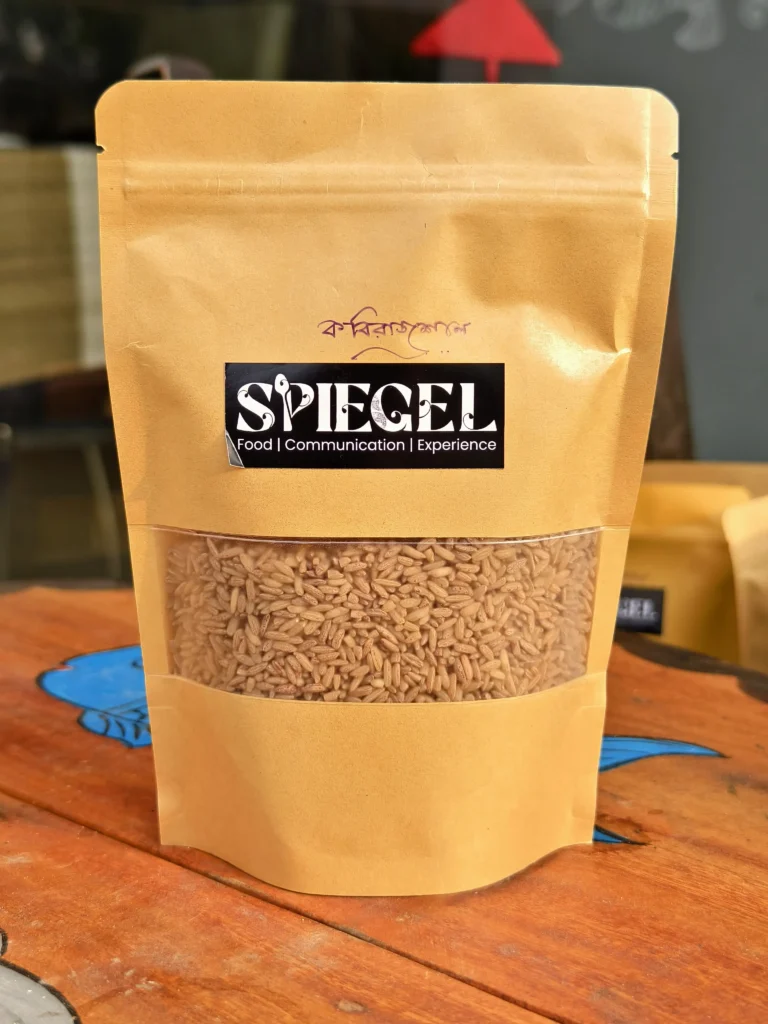
Rich in high medicinal properties and nutrients, this rice is mainly grown in East and West Medinipur. It is very suitable for panta bhat and is traditionally used as dietary food for patients (convalescent food).
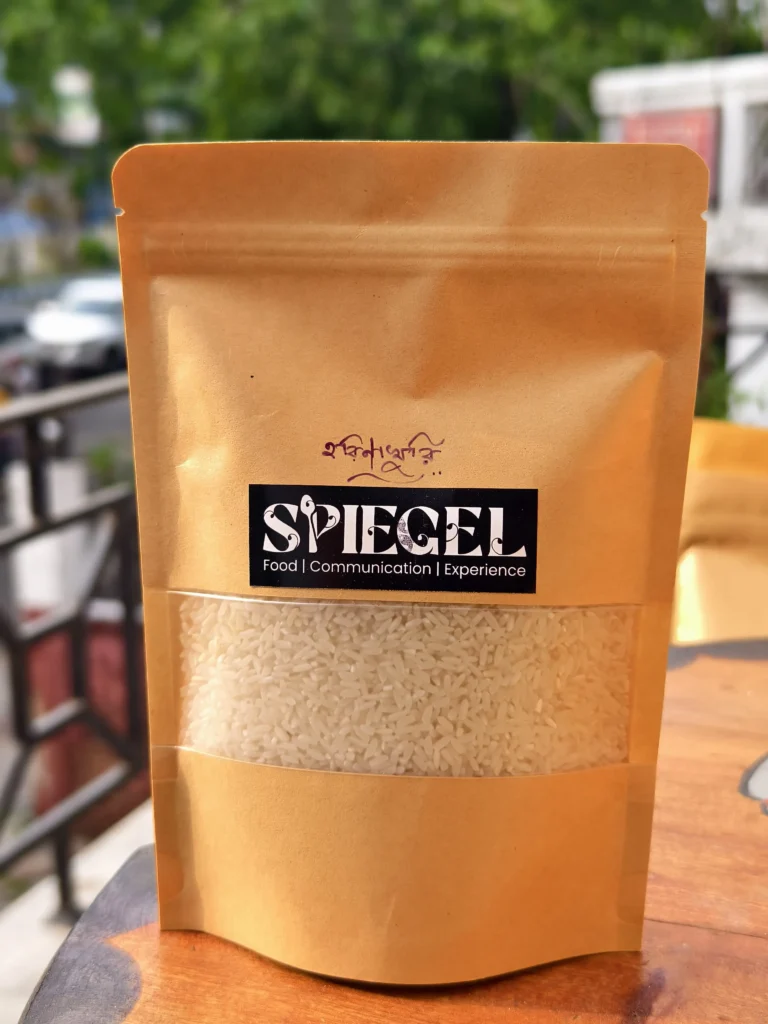
Harinakhuri (হরিণাখুরি) -Atap
Mainly cultivated in the Sundarbans region using the organic method. A short and slender aromatic rice. Suitable for pulao, khichdi, and payesh.
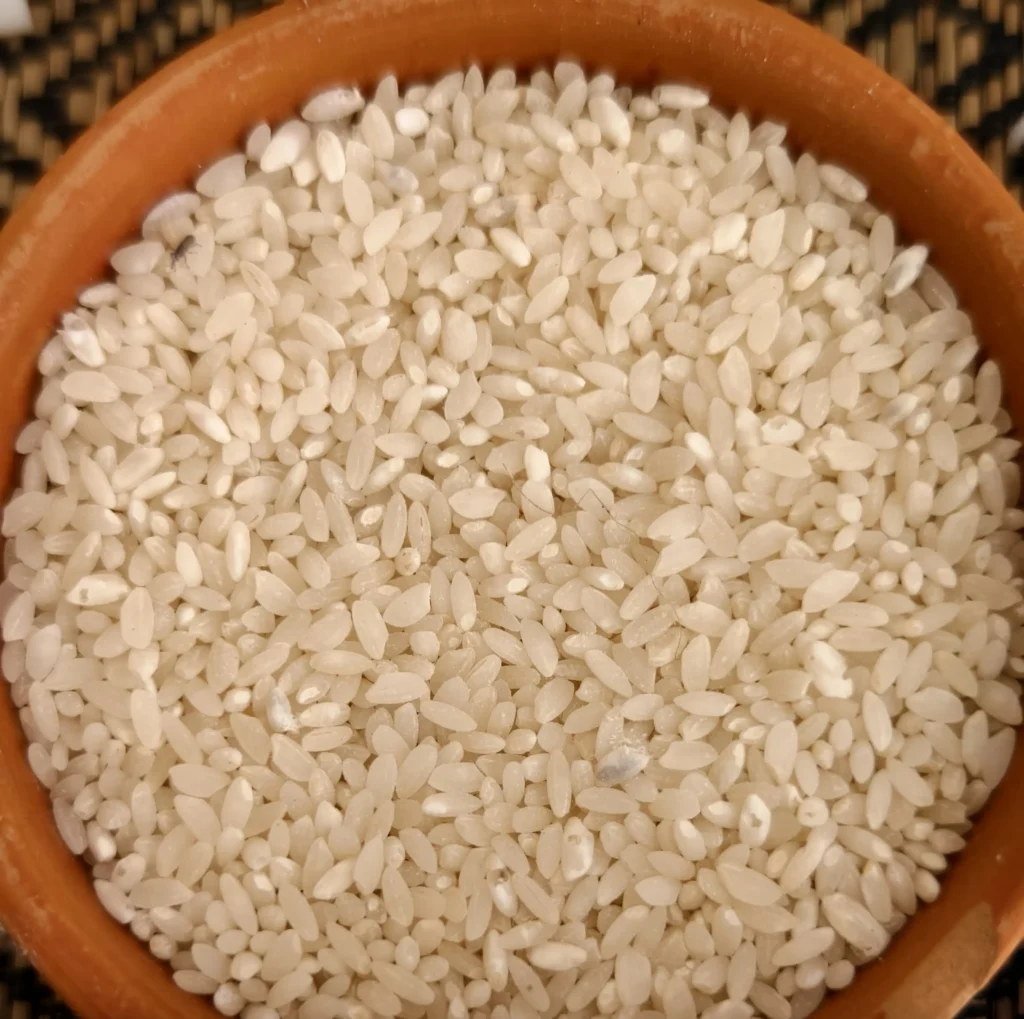
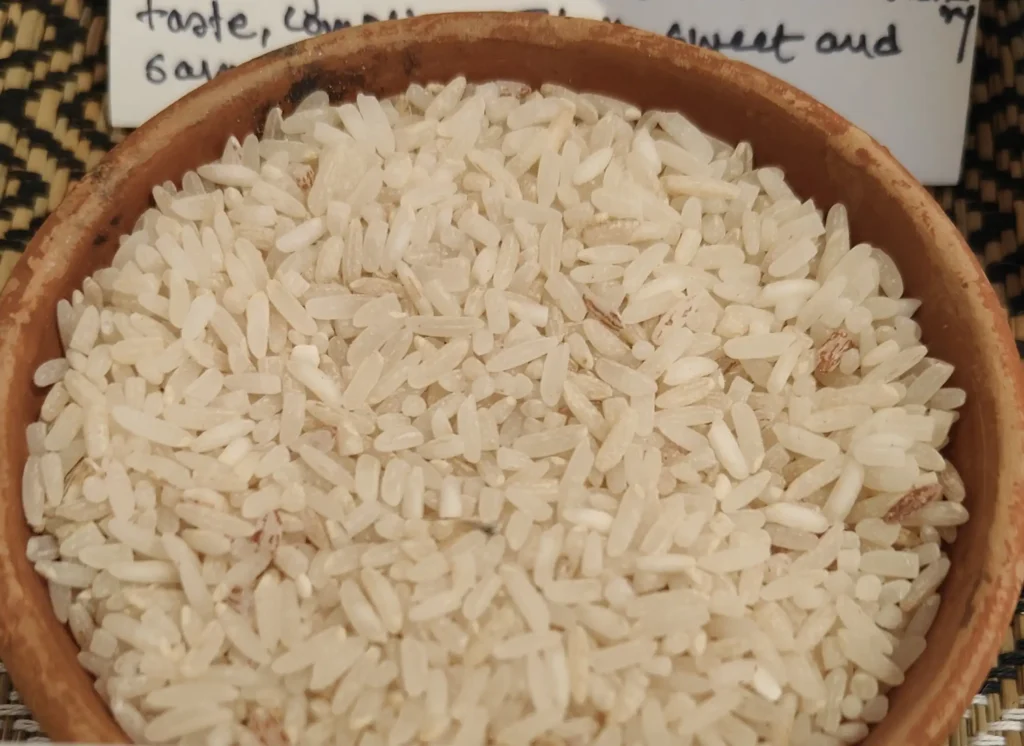
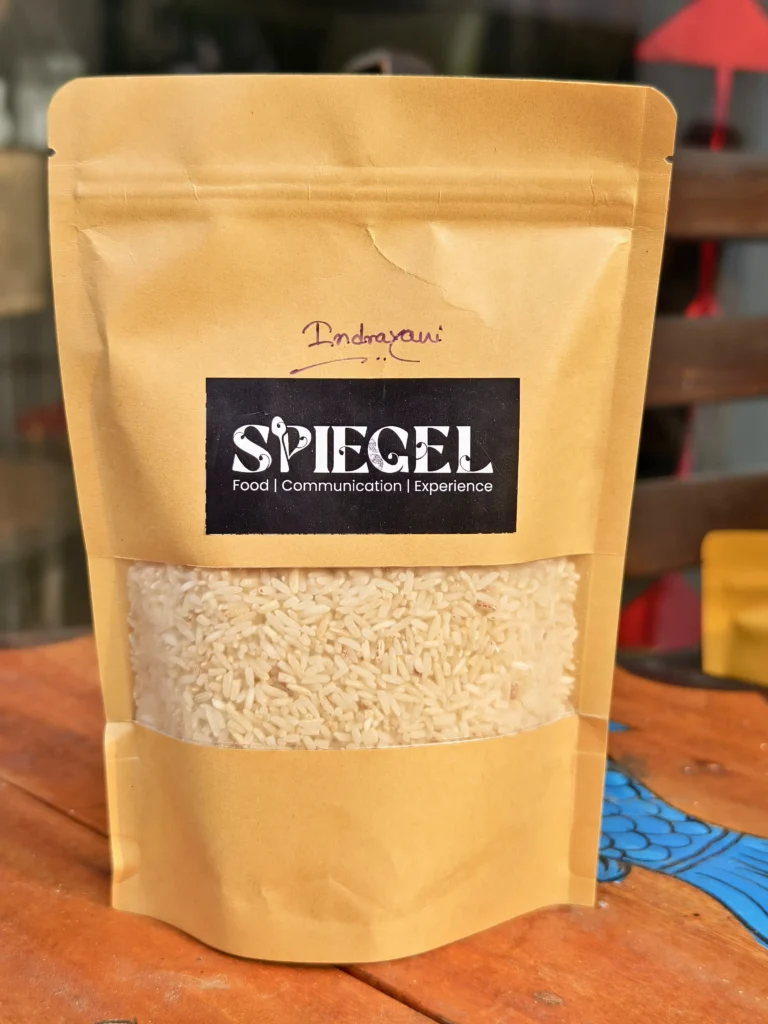
Indrayani
Premium, medium-grain aromatic variety primarily grown in the Sahyadri region of Maharashtra. Highly regarded for its unique fragrance, sweet taste and slightly sticky texture. Apt for khichdi & Masale bhat.
Ambemohar
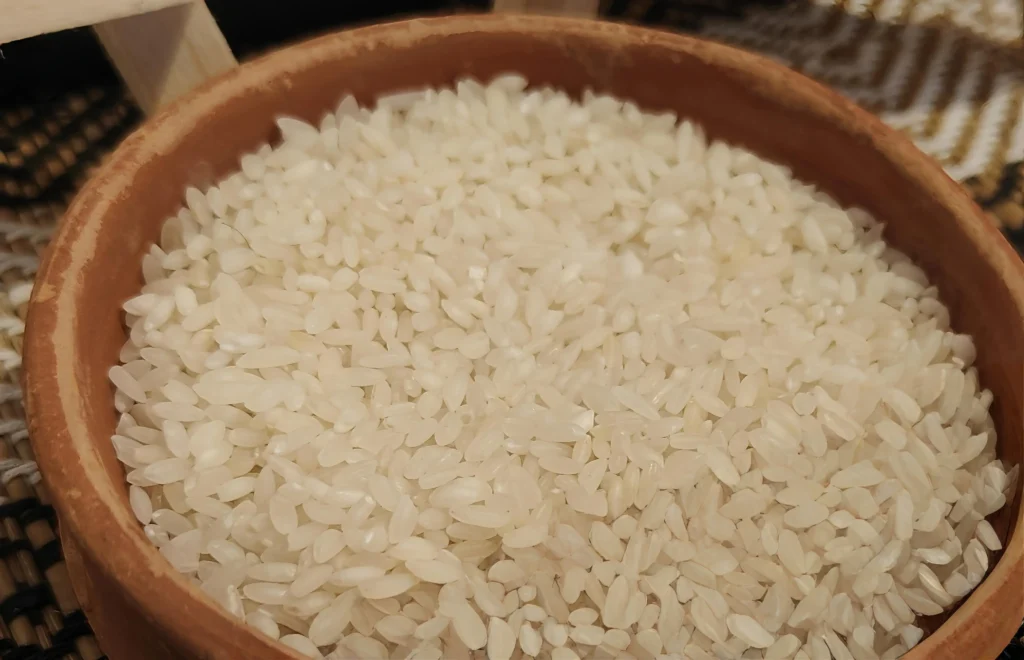
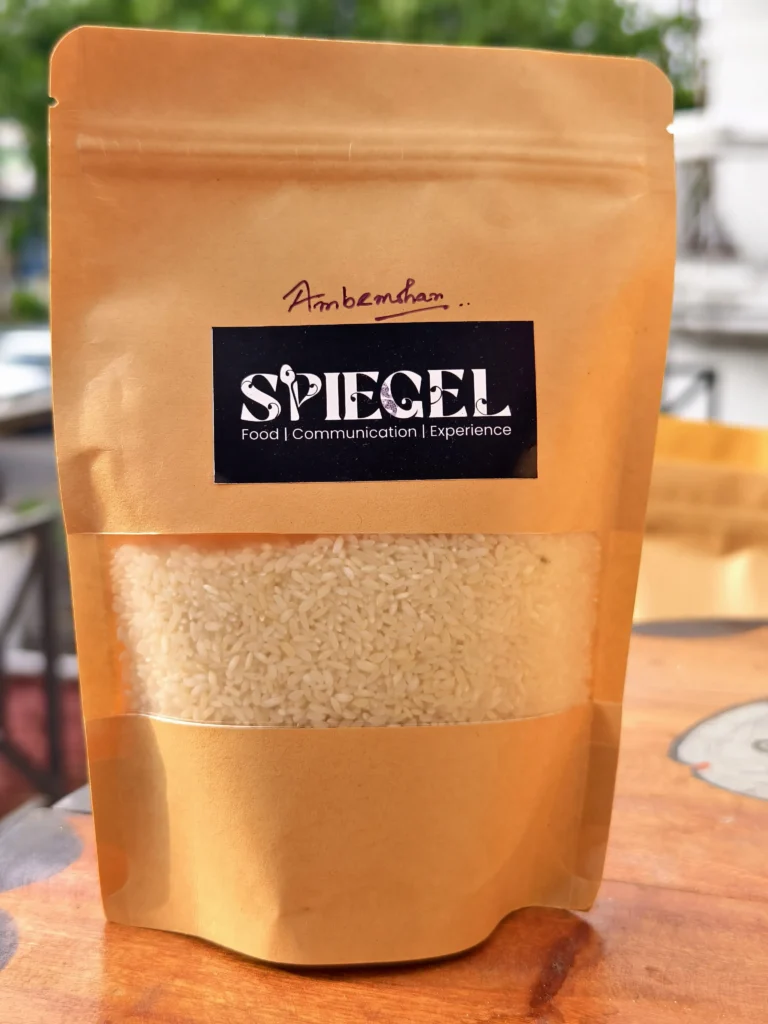
Traditional, aromatic, short grain variety native to the Maval region of Maharashtra, India. Its name translates to “mango blossom” (Ambe: mango, Mohar: blossom). Known for a delicate, sweet and buttery taste, compliments both sweet and savory preparations. This is a famous heritage rice from Maharashtra, prized for its fragrance that resembles mango flowers.
Kalo Nunia (কালো নুনিয়া) – Atap
This is primarily grown in North Bengal districts like Cooch Behar, Jalpaiguri, and Alipurduar. This highly aromatic rice is perfect for pulao, khichdi, and payesh. It received a GI Tag in 2023. In earlier times, this rice was highly valued for offerings in various temples and aristocratic households of North Bengal.
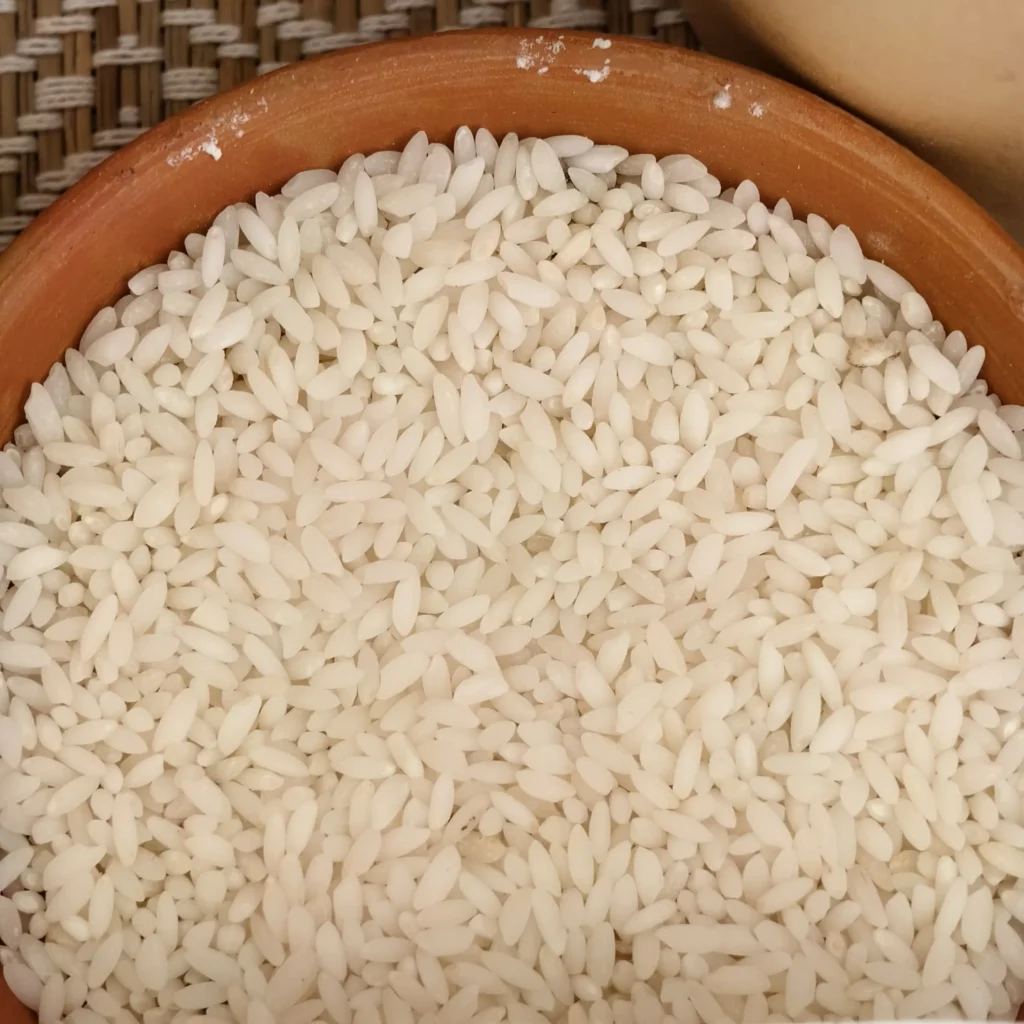
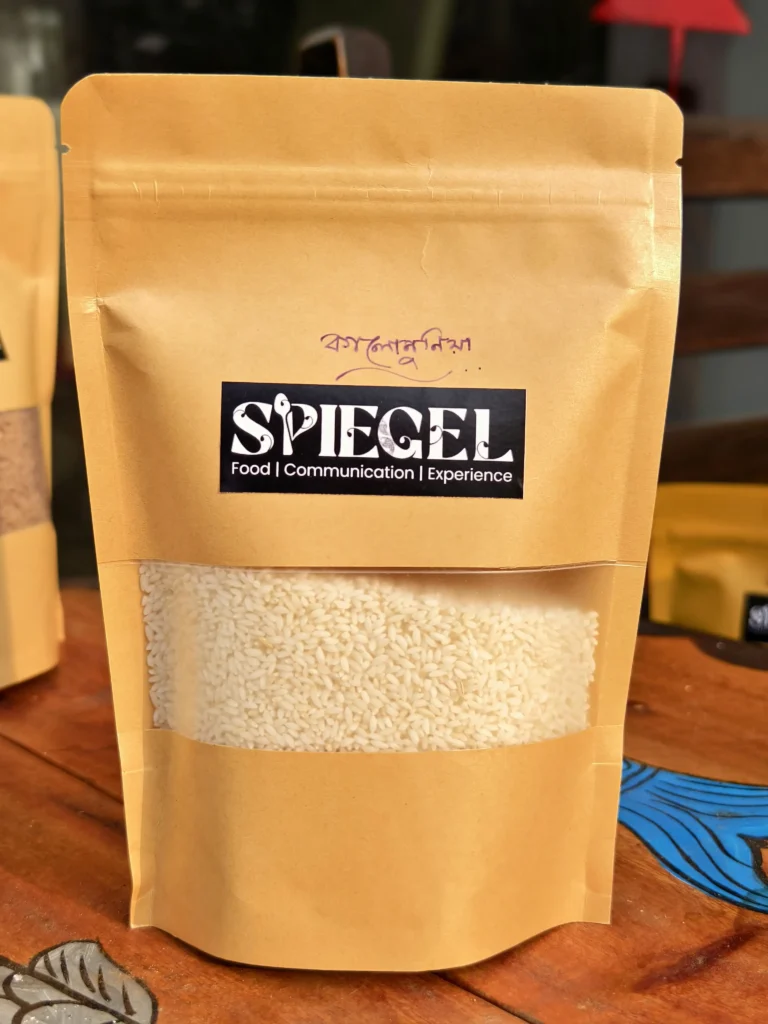
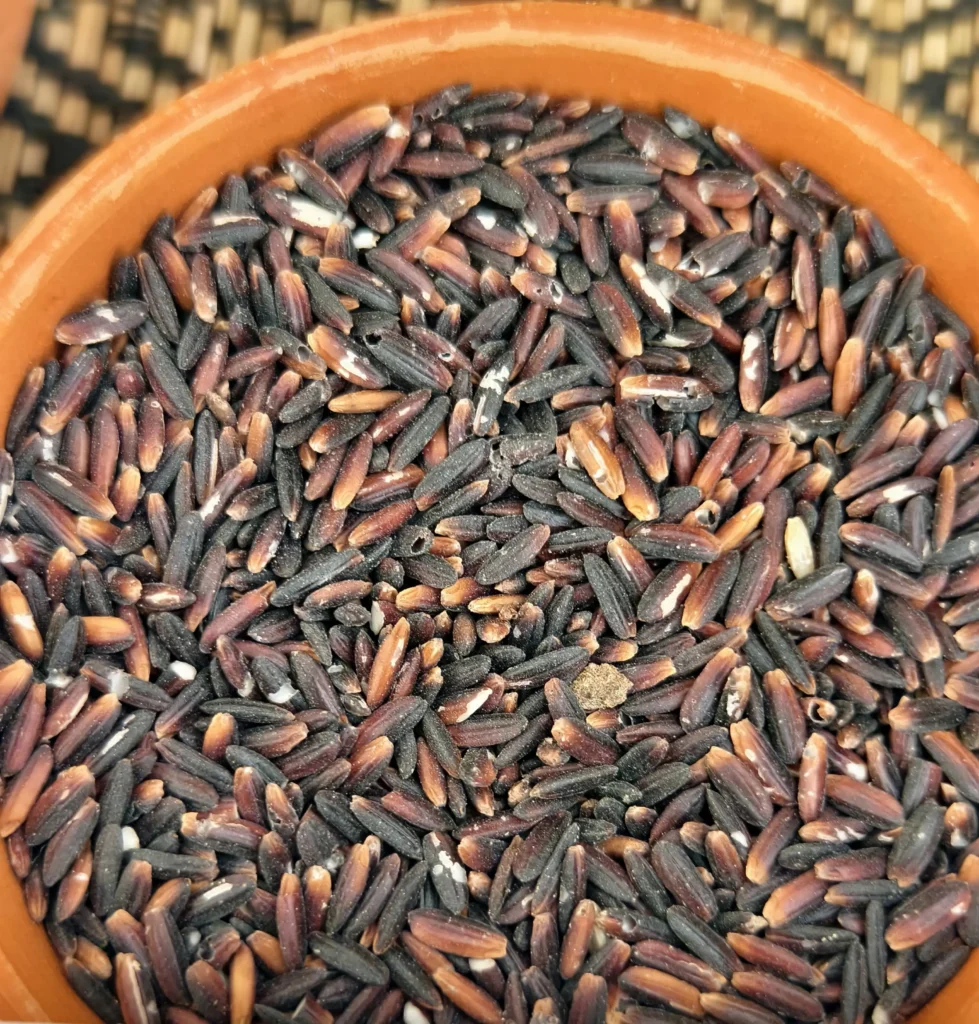
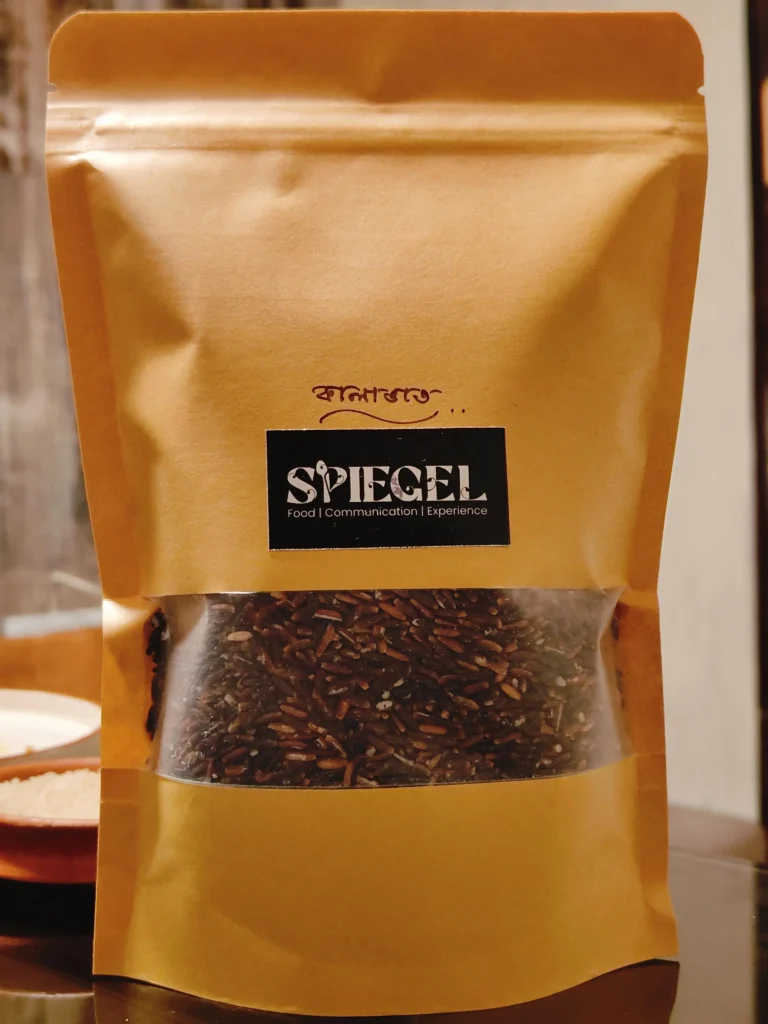
Kalabhat – Parboiled (Siddho)
Mainly cultivated in the Cooch Behar and Dinajpur regions. It is a long-grain, non-aromatic, and sticky (glutinous) rice, which makes it delicious for preparing payesh (rice pudding).
Kanakchur (কনকচূড়) – Atap
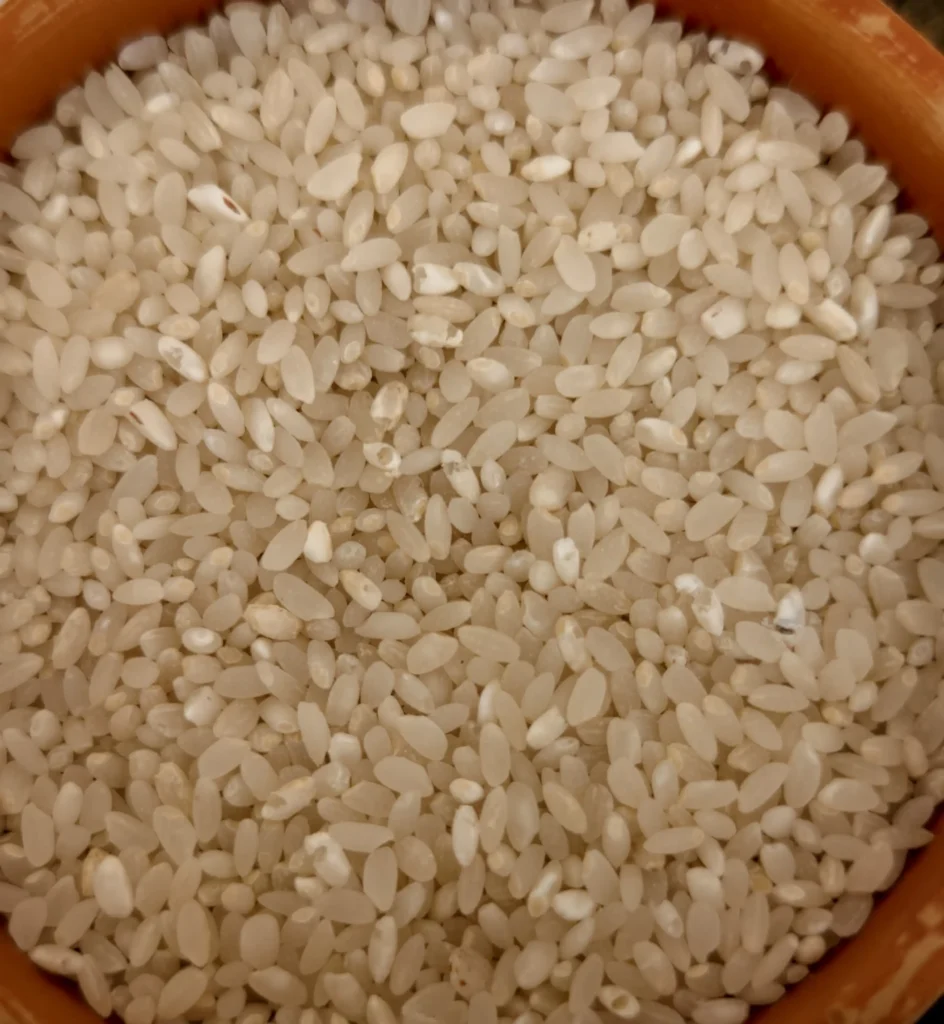
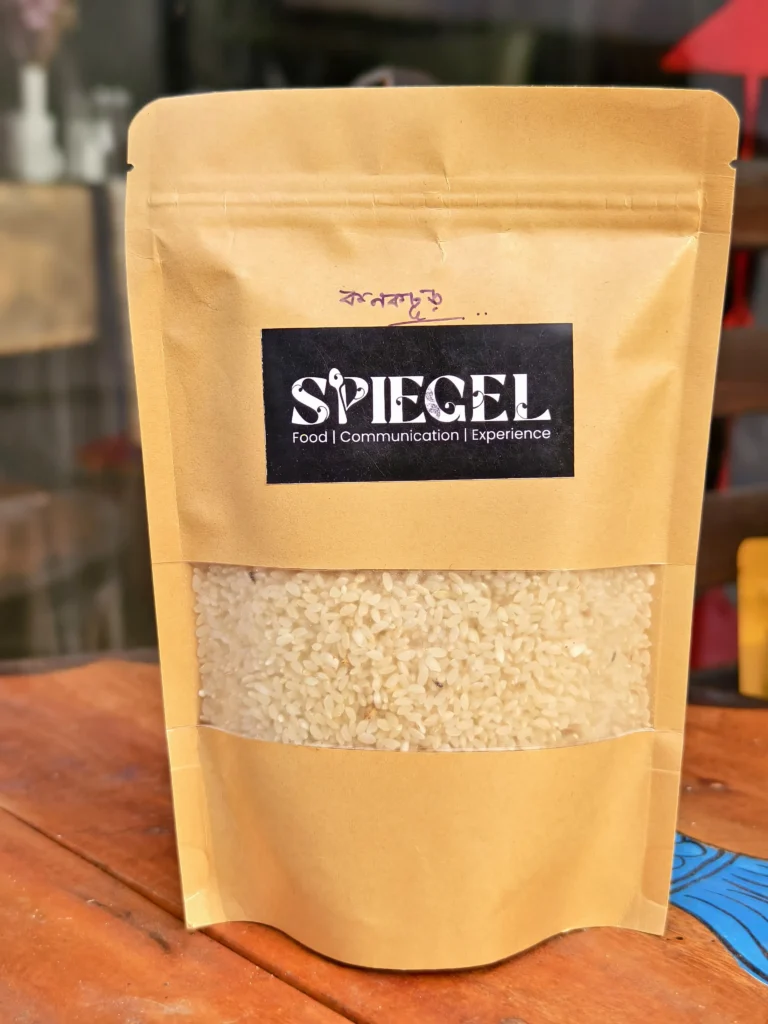
Primarily grown in areas adjacent to the Sundarbans. It is a small, slender-grained rice with a sweet aroma. The popped rice (khoi) made from this variety is famous for making Joynogor er Moya. It is also suitable for pulao, khichdi, and phyanabhat.
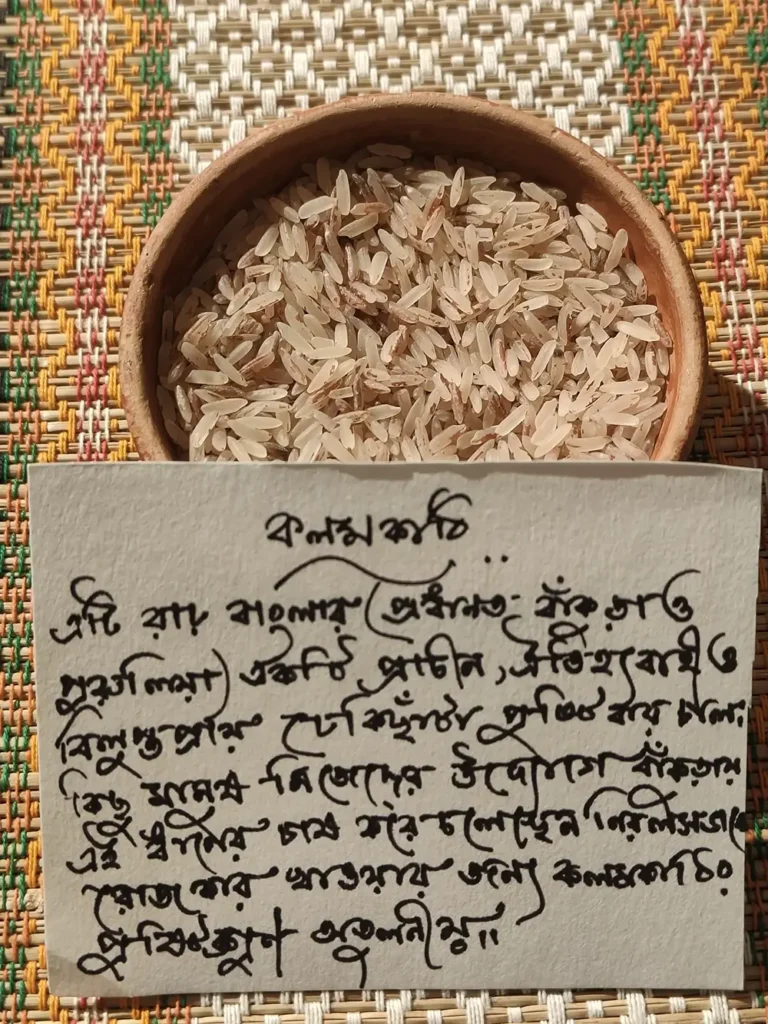
Kalamkathi (কলমকাঠি)- Siddho
Mainly cultivated in the Cooch Behar and Dinajpur regions. It is a long-grain, non-aromatic, and sticky (glutinous) rice, which makes it delicious for preparing payesh (rice pudding).
Cinekamini (চিনেকামিনী) –
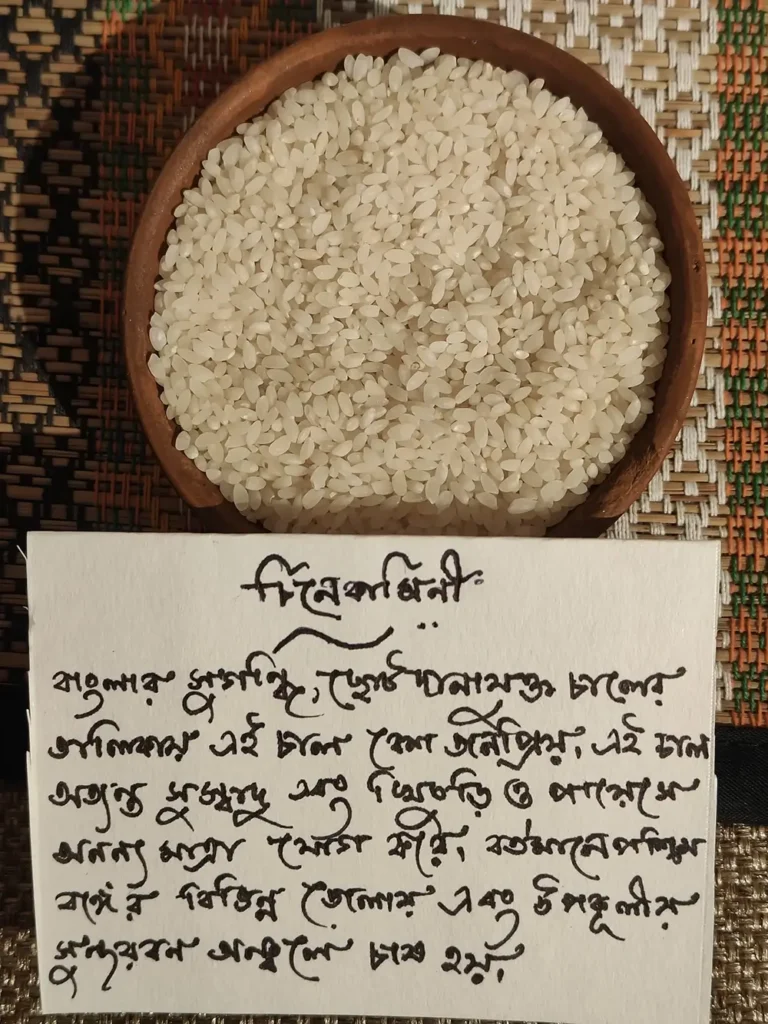
Atap (Parboiled)
Among the list of aromatic, small-grained rices of Bengal, this variety is quite popular. This rice is delicious and adds a unique dimension to Khichuri and Payesh (rice pudding). Currently, it is cultivated in various districts of West Bengal and the coastal Sundarban regions.
Balam (বালাম) – Siddho
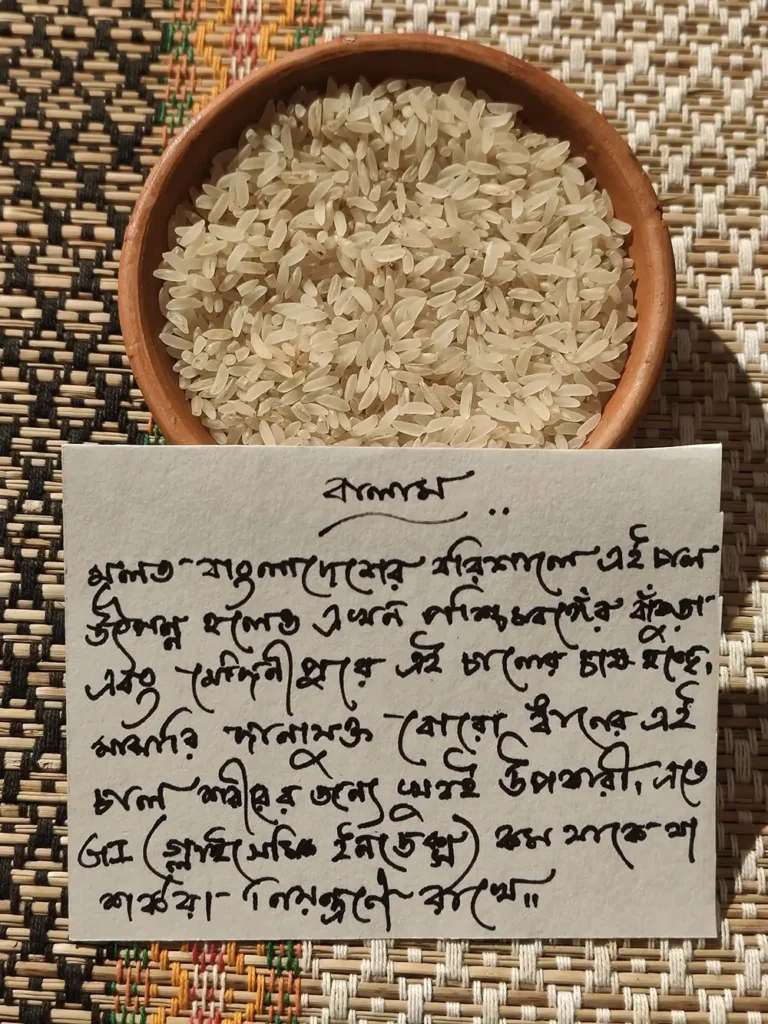
Although this rice originally hails from Barisal, Bangladesh, it is now being cultivated in the Bankura and Midnapore districts of West Bengal. A medium-grained Boro (winter) crop, this rice is very beneficial for the body. Due to its low GI (Glycemic Index), it helps in controlling blood sugar levels.